
The fresh food industry continues to evolve at a remarkable pace. Consumer expectations are shifting, technology is advancing, and operators are looking for smarter ways to improve efficiency while creating memorable customer experiences.
Structural Concepts’ Q3 2026 Fresh Trends Report highlights several key market forces that are transforming how fresh food is displayed, sold, and experienced. Whether you operate a grocery store, convenience store, airport, healthcare facility, college campus, or foodservice operation, these trends provide valuable insight into where the industry is headed.
- Emerging Markets Are Creating New Opportunities
Foodservice is no longer confined to traditional restaurants.
Ghost kitchens, food trucks, pop-up concepts, and other nontraditional operations continue to expand, creating demand for compact, adaptable merchandising solutions that maximize limited space. These operators need equipment that delivers performance without sacrificing flexibility.
Structural Concepts addresses these challenges with the Autonomous Retail Merchandiser (ARM) Slim, transforming small or underutilized footprints into profitable grab-and-go destinations while delivering secure, cashier-less transactions.
- Total Cost of Ownership Matters More Than Ever
Purchasing equipment isn’t just about upfront cost anymore.
Operators are evaluating long-term operating expenses, maintenance requirements, energy consumption, and equipment lifespan when making investment decisions. These factors have become increasingly important as businesses seek predictable operating costs.
Structural Concepts focuses on reducing the total cost of ownership through energy-efficient refrigeration systems, durable construction, and reliable performance that continues delivering value long after installation.
- Regulations Continue to Drive Innovation
New environmental standards and energy efficiency requirements aren’t slowing innovation. They’re accelerating it.
As refrigerant regulations evolve and sustainability becomes a larger priority, operators need equipment that is both compliant and future-ready.
Structural Concepts has responded with R290-compliant designs, the Breeze-E refrigeration system, and innovative components engineered to improve efficiency, simplify maintenance, and maintain food-safe temperatures in demanding environments.
- Customers Expect Fresh Food Anywhere
The traditional dining room no longer defines where meals happen.
Consumers now eat in offices, airports, hospitals, parks, vehicles, campuses, and countless other locations throughout the day. Convenience isn’t simply an advantage anymore. It’s an expectation.
Flexible merchandising solutions allow operators to meet customers wherever they are through grab-and-go displays, micro markets, autonomous retail, and self-service concepts that create new revenue opportunities while reducing staffing demands.
- AI Is Becoming an Operational Advantage
Artificial intelligence has moved beyond experimentation.
Today’s foodservice operators are using AI to improve inventory management, merchandising decisions, consumer insights, and operational efficiency.
Structural Concepts’ Autonomous Retail Merchandiser platform combines AI-powered sensing, real-time analytics, secure payment technology, and frictionless checkout to help operators maximize sales while delivering a seamless customer experience. The platform also provides data-driven insights that can help drive recurring revenue growth.
- Retail and Restaurants Continue to Converge
Convenience stores, grocery retailers, and warehouse clubs are investing heavily in prepared foods.
Consumers increasingly view these retailers as meal destinations rather than simply places to purchase groceries or fuel. As a result, restaurants now compete with an expanding range of fresh food providers.
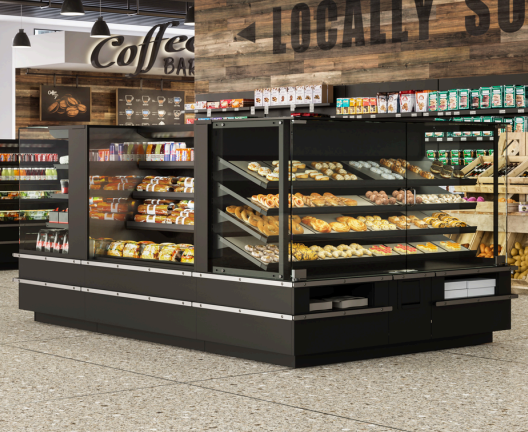
Flexible display solutions help operators showcase prepared meals more effectively while adapting to changing menus, maximizing available space, and creating visually appealing merchandising environments.
- Health and Trust Are Influencing Purchasing Decisions
Consumer priorities continue to evolve.
Growing interest in protein-rich foods, portion-controlled packaging, and wellness-focused offerings is changing merchandising strategies. At the same time, shoppers place increasing importance on cleanliness, food safety, and trust.
Successful fresh food programs combine attractive merchandising with displays that communicate quality while encouraging impulse purchases and larger basket sizes.
- Foodservice Is Raising the Competitive Bar
Convenience stores continue to expand their made-to-order offerings, while consumers increasingly seek unique menu items and elevated food experiences.
The report notes that nearly 60% of convenience stores now offer made-to-order food, and 58% of consumers are willing to choose one brand over another because of exclusive menu items. Fresh food has become a powerful driver of customer loyalty rather than simply an additional product category.
Operators that can quickly adapt through modular merchandising, flexible displays, and grab-and-go solutions will be well positioned to capture this growing demand.
Looking Ahead
The common thread throughout these trends is clear: consumers expect convenience without sacrificing quality, and operators need merchandising solutions that are flexible, efficient, and built for long-term success.
From autonomous retail and AI-powered insights to sustainable refrigeration and adaptable merchandising, the future of fresh food is being shaped by innovation that improves both the customer experience and operational performance.
Structural Concepts remains committed to helping retailers and foodservice operators stay ahead of changing consumer expectations while delivering fresh food experiences that drive sales today and prepare businesses for tomorrow.